Industry Insights
November 13, 2026
Kamin: SIBTF Reform Headlines 2026 Legislative Session
- State: California
- - 0 shares
California lawmakers considered making sweeping changes to the Subsequent Injuries Benefits Trust Fund during the 2026 legislative session but ultimately opted for smaller changes while hinting that more change could be on the way.
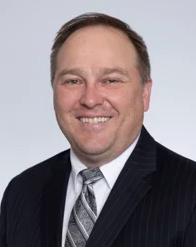
John P. Kamin
Gov. Gavin Newsom signed Senate Bill 171 into law on July 13, 2026, in an attempt to reform and save the beleaguered trust fund from skyrocketing liabilities.
If you’re unfamiliar with the fund and its unusual acronym, SIBTF, it was created to help compensate World War II veterans returning to the workforce. The SIBTF is California’s version of a second injury fund. Applicants can obtain SIBTF benefits by proving that a combination of a preexisting disability and a second injury has brought them to 70% PD or more.
SB 171 changes how applicants can achieve that burden of proof by requiring:
- Applicants to show that their PD has caused an earnings loss.
- Applicants have to use a medical-legal report that constitutes substantial evidence, and cite evidence before the second or subsequent injury.
- The PD rating will use the rating that existed on the date of the subsequent injury.
- When determining whether the applicant has reached the 70% PD threshold, the Combined Values Chart must be used. This is notable because prior Workers' Compensation Appeals Board decisions stated that applicants should be adding their PD ratings.
- The underlying claim for regular benefits against the workers’ compensation defendant shall not be relitigated as the applicant tries for SIBTF benefits.
- Vocational rehabilitation reports that were used in the earlier underlying workers’ compensation case cannot be used in the SIBTF case.
To put it simply, these requirements will make SIBTF claims more like regular workers’ compensation claims. For example, the “substantial evidence” standard is reminiscent of the famous Escobedo decision, and practitioners routinely use the CVC in most cases.
Why was reform necessary?
Newsom began ringing the warning bell about the fund’s rising liabilities during the 2025 session, warning that without reform, employer assessments would rise from $372 million in FY 2021-22 to $1.5 billion in FY 2029-30.
However, Newsom ultimately vetoed 2025 legislation that would have reformed the fund because it did not go far enough. In 2026, lawmakers got Senate Bill 171 signed into law.
What wasn't in the 2026 reforms
One reason why I held off on writing about the SIBTF reforms until the dust had settled is that there was a competing SIBTF bill that was held up for further review: Assembly Bill 1576. That bill was approved by the Assembly and was referred to the Senate before being benched (or held under submission) in August.
What’s interesting about this bill is that lawmakers seriously considered barring the use of specific body parts and medical conditions to reach the 70% threshold, such as:
- Acid reflux, including gastroesophageal reflux disease (GERD).
- Allergies.
- Arthritis.
- Asthma.
- Diabetes.
- Headaches.
- Hypertension.
- Sexual dysfunction.
- Sleep apnea.
An earlier version of the bill would have barred any consideration of these body parts or conditions as applicants tried to get to the 70% PD goal. However, this list was later removed from the bill in midsummer amendments.
Other language in this bill would have created a special set of qualified medical evaluators who specialize in SIBTF cases. This was left in the final version of the bill, but alas, the final version stalled and never made it to Newsom’s desk.
Why cover this? It goes to show that there was generally strong support among lawmakers for having QMEs who specialize in SIBTF cases, and mixed lesser support for excluding body parts and conditions from SIBTF claims. In other words, we could see these arise in future legislative sessions.
Conclusion
Senate Bill 171 was necessary in making the SIBTF more like regular workers’ compensation claims and should lessen the red ink that the SIBTF is seeing. However, these changes do seem to be relatively minor, and there appears to be significant interest in additional changes to help keep the SIBTF’s liabilities from spiraling out of control.
John P. Kamin is a workers’ compensation defense attorney and partner at Bradford & Barthel’s Woodland Hills location. He is WorkCompCentral's former legal editor. This entry from Bradford & Barthel's blog appears with permission.
Advertisements
Columns
- Kamin: SIBTF Reform Headlines 2026 Legislative Session 11/13/26
- Platta: Understanding New York's Grave Injury Exception in Construction Litigation 11/11/26
- Montgomery: Calif. Comp Has a Lesson for Medicare 11/09/26
- Sandoval: The Hidden Cost of Procedural Missteps 11/02/26
- Montgomery: Calls for Physician Suicide Awareness Highlight Systemic Harms to Providers 10/30/26
- Paduda: Injured Workers With Attorneys Cost More, Don't Recover as Well 10/28/26
- Montgomery: Calif. Provider Warning: UEBTF Payment Delays 10/22/26
- Falk: Why Mill Explosion Stayed in Workers' Compensation 10/21/26
- CAAA: Cal/OSHA Manager Accused of Ignoring Major Safety Rules 10/20/26
- Montgomery: Self-Insured Employers: Does Prolonged Injury = Prolonged Profit? 10/16/26
- CAAA: Artificial Stone Countertops Are Killing California Workers 10/14/26
- Kamin: Petition for Removal or Reconsideration? 10/09/26
- CAAA: Three Deaths, Decades of Violations at Company Renew Questions About Cal/OSHA Accountability 10/07/26
- Montgomery: Predicting Attorney Involvement in Comp Cases 10/05/26
- Aziz: Earning Capacity vs. Seasonal Job Availability 10/02/26
- Montgomery: State Fund Is Crushing It 10/01/26
- CAAA: Extreme Heat Is Putting California Workers at Greater Risk 09/30/26
- Barthel: The AI Case Every Adjuster Should Know 09/28/26
- Barthel: Why Unchecked AI Inflates Litigation Budgets 09/25/26
- Paduda: Is California the Canary in the Coal Mine? 09/24/26
Now Trending
- Workers' Compensation News
-
Calif. Proposed
Deposition Fees Draw Objections
From Management, Worker…
Posted on Nov 11, 2026
-
Calif. Court
Affirms Prejudgment Interest Nearly
Double Amount of Unpaid…
Posted on Nov 9, 2026
-
Calif.
Registration Opens for 34th Annual
DWC Educational…
Posted on Nov 6, 2026
-
Calif. CWCI: IMR
Activity Dips for 1st Time Since…
Posted on Nov 12, 2026
-
Texas Worker
Establishes Negligence Claim
Against Nonsubscribing…
Posted on Nov 10, 2026
-
Fla. Appeals
Court: Heart Disease Presumption
Covers Atrial…
Posted on Nov 6, 2026
-
Calif. WCIRB
Webinar to Discuss Findings From
Latest Geo…
Posted on Nov 12, 2026
-
Ntl. Kids' Chance
Announces Mentoring…
Posted on Nov 10, 2026
-
Ga. Judge Applies
Wrong Standard of Review to Reverse
Board…
Posted on Nov 11, 2026
-
Ky. Governor
Issues Workers' Comp…
Posted on Nov 11, 2026
Jobs
Press Releases
Upcoming Events
Nov 18, 2026
Chronic Pain Claims: Early Red
Overview: Chronic pain remains one of the most challenging aspects of workers’ compensation claim …
Dec 3, 2026
AWCP’s “Polar Express” Holiday
All aboard for a magical holiday evening at AWCP’s Polar Express Holiday Party at the California S …
Dec 8, 2026
Workers' Compensation Forum of
Please join the 2026 WCF All-Day Seminar as we welcome an array of speakers specializing in worker …
Social Media Links
c/o Business Insurance Holdings, Inc.
Greenwich, CT 06836





No Comments
Log in to post a comment